
© 2026 Projektwerkstatt GmbH
.svg)

The Story of Teekampagne
How to combine outstanding tea, low prices, and fairness toward people and nature.
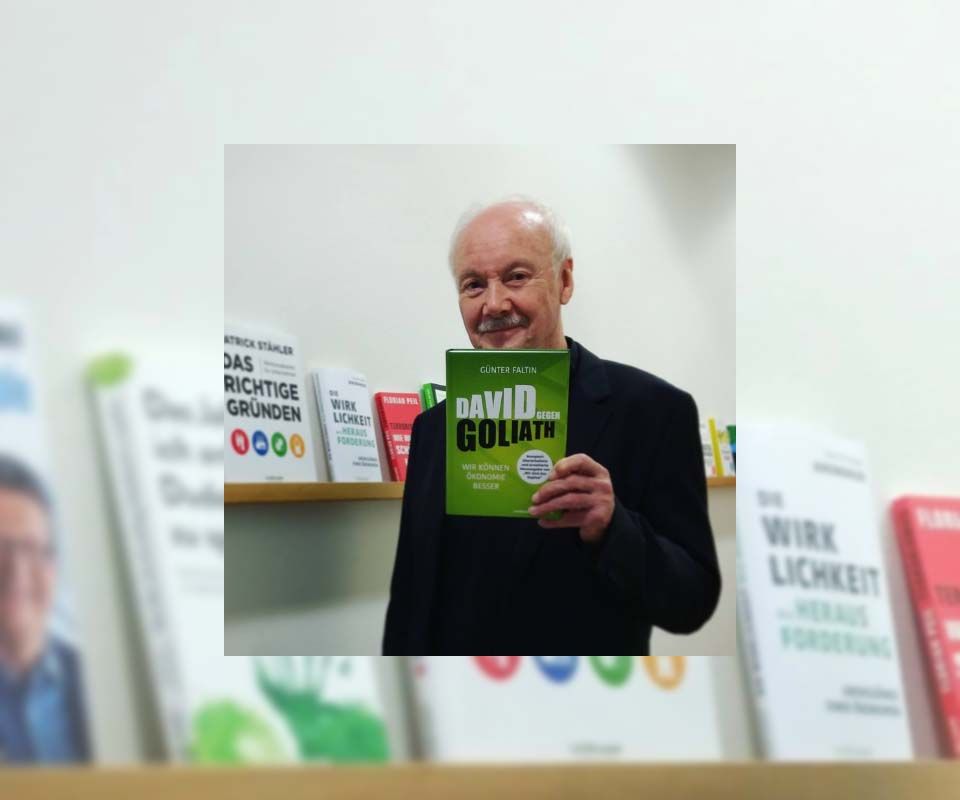
by Günter Faltin
What Makes Tea So Expensive?
During my travels in developing countries, I noticed that products such as coffee, bananas, sugar, and tea cost about ten times more in Germany than they did locally. What makes these products so expensive here? And why was tea in Germany particularly expensive, even compared with other European countries? Was it the cost of transportation, insurance, or perhaps the high profit margins of traders?
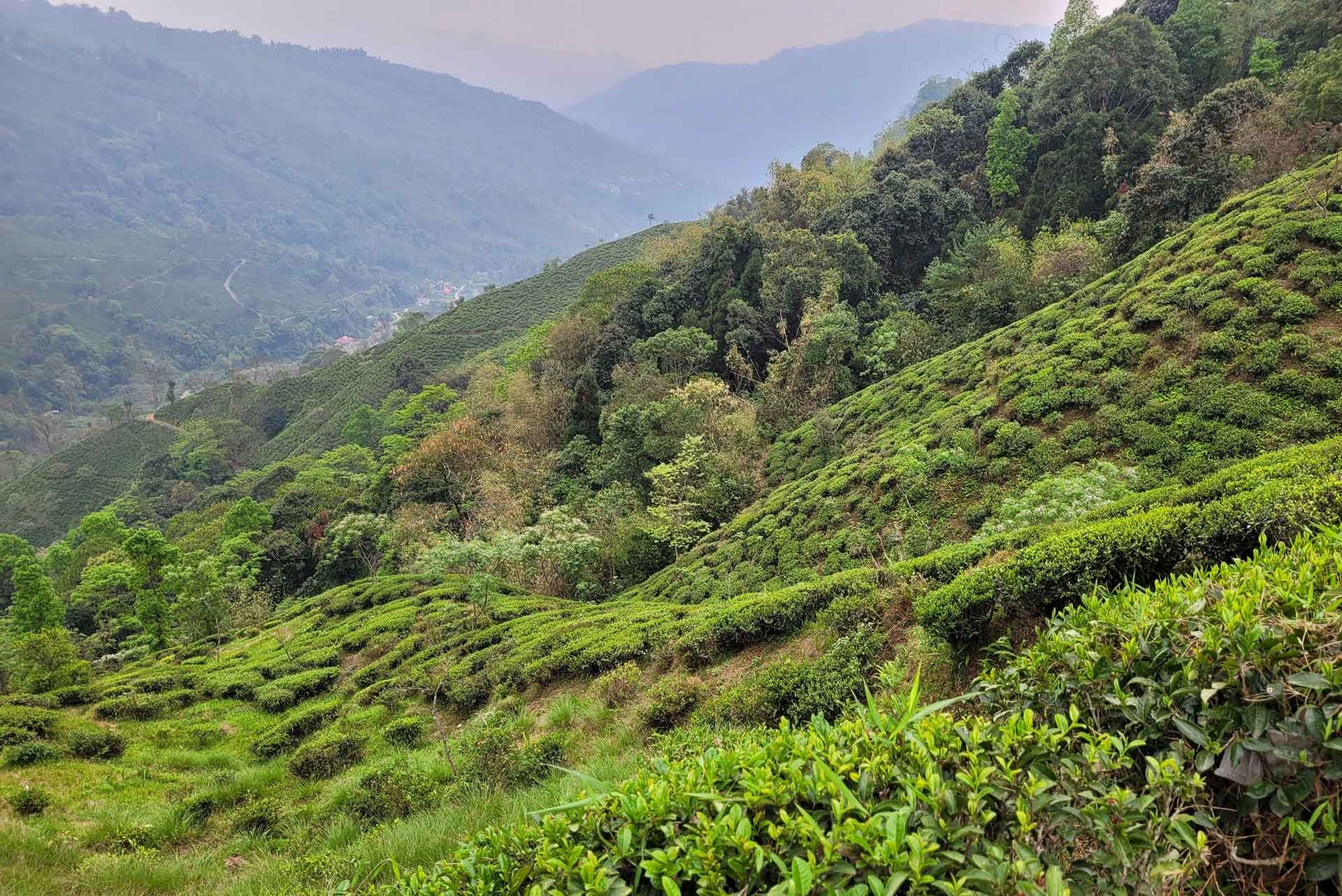
After extensive research, I discovered that these factors were not the main reason. What drives up the price of tea are the many layers of intermediaries and the standard practice of selling tea in small retail packages. From the tea garden gate, the tea is transported to an exporter, shipped to an importer, moved on pallets to a wholesaler, and finally delivered to a retailer or specialty tea shop. Many stages, many transport routes, and repeated repackaging along the way.
Could this process be organized more intelligently? Not if you run a conventional tea shop. Anyone who wants to offer a wide range of tea varieties depends on the traditional chain of intermediaries.
So why not bypass the middlemen and offer tea in larger, more cost-effective packages?

How Can You Eliminate the Middlemen?
A seemingly crazy idea emerged. If we radically simplified the concept and offered only a single tea variety, could we generate purchase volumes large enough to buy directly from the producers?
The savings would be substantial. But would customers be willing to buy just one type of tea? Why not—if that tea were a well-known variety of exceptional quality?
Trading tea in a completely different way from the conventional model seemed to make sense. But if the idea was so obvious, why had nobody done it before?
The Birth of Teekampagne
By the mid-1980s, the time had come. I was a professor at the Institute of Business Education and Entrepreneurship at the Free University of Berlin.
In many ways, it seemed like the perfect place for an economic experiment.
My students were skeptical when I first presented the concept. Too crazy. No chance of success.
Typical professor, they thought—no understanding of the real world.
But eventually, a small group of students joined the project. And so, Teekampagne began to take shape.
Fair Trade and Chemical Residues
From the very beginning, we focused on two additional concerns:
Fair trade and chemical residues in food were topics frequently discussed at the university, yet they rarely translated into practical action. We wanted to change that.
Anyone committed to fair trade must be willing to pay tea growers higher prices. Comprehensive residue testing also comes at a significant cost.
The common assumption was that combining both would make tea so expensive that it could only appeal to a small niche of well-intentioned customers willing to pay a premium. So what could be done?
Direct Imports and Large Pack Sizes Create the Necessary Savings
The savings achieved through direct imports and by eliminating small retail packages gave us the financial flexibility to pay fair prices to producers and to cover the costs of residue testing.
Just one tea variety, sold only in large packs.
It sounded unconventional—perhaps even crazy—but it was a success from the very beginning.
And it remains so today.
The idea behind Teekampagne spread like wildfire.
An Idea with Impact
The result is a lesson in economics:
By eliminating unnecessary costs, it becomes possible to offer premium-quality tea that is both fairly traded and organically grown—at prices people can afford.
Why does this matter?
Time and again, it has been shown that the vast majority of consumers are unwilling to pay significantly higher prices for organic and fairly traded products.
A sustainable economy and fair trade will only achieve widespread adoption if these products do not cost substantially more than conventional alternatives.